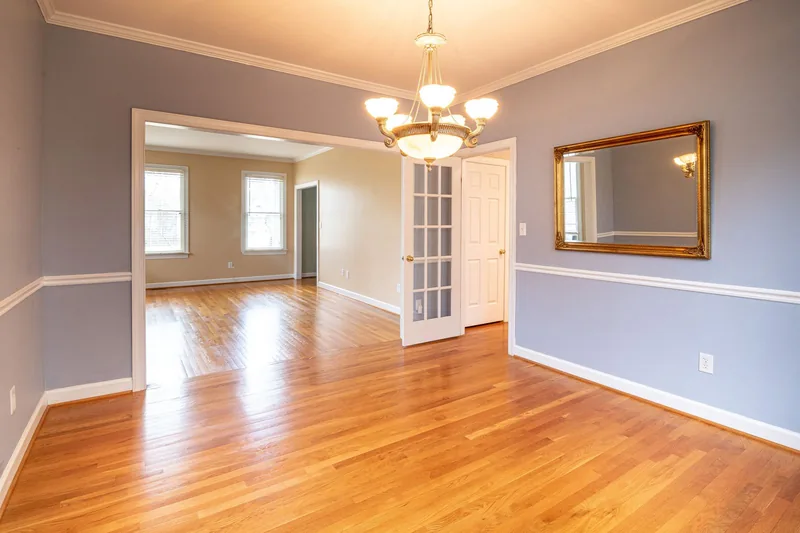
Biohazard Cleanup for Apartments and Houses
Death, crime, hoarding, blood and sewage cleanup in houses, condos, apartments and high-rise units.
Learn moreYou can call for calm, discreet biohazard cleanup at homes, rentals, businesses and vehicles in West Village.
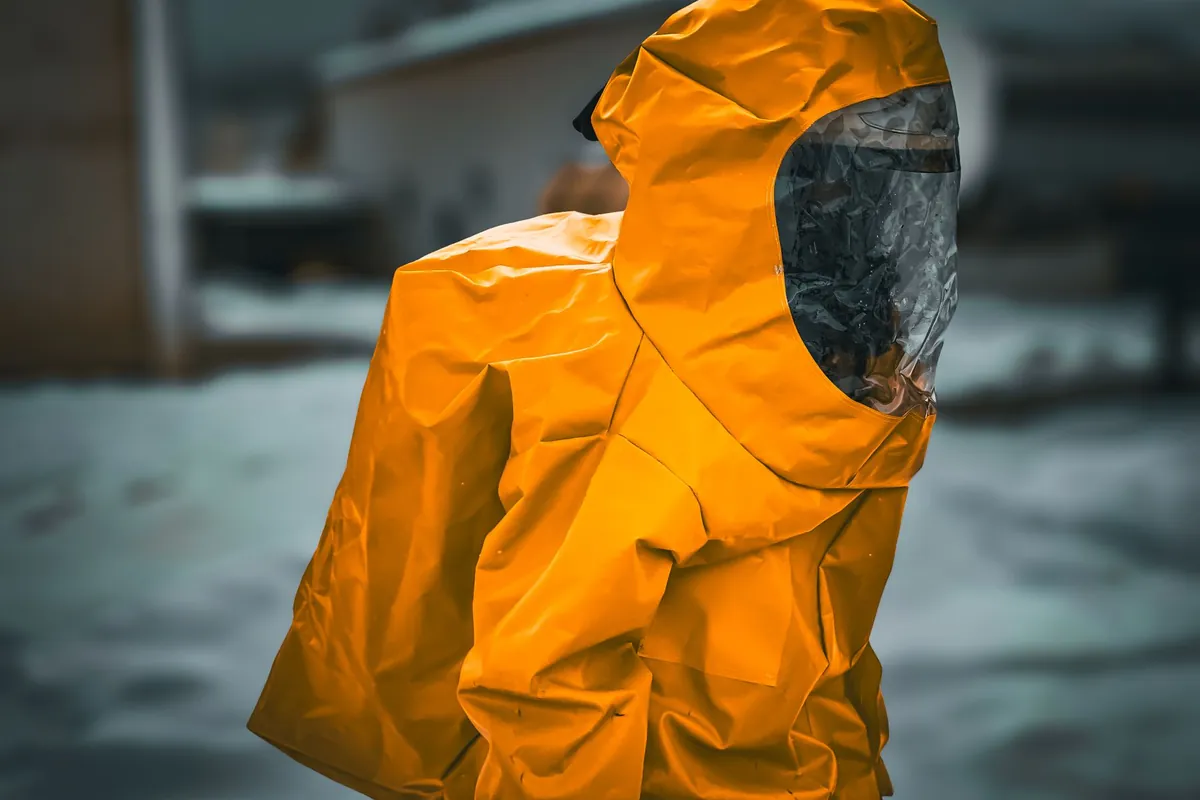
Containment, entry and cleanup plans can be influenced by local housing, population and access details.
For an injury during discovery, Sisters of Charity Hospital is the nearest listed hospital at approximately 4.1 miles away.
Connections to Theatre District, Lower West Side, and Downtown make a precise address important for coordinating cleanup access without unnecessary neighborhood attention.
Because this is a neighborhood within Buffalo, cleanup access may depend on local parking, common entrances, or building management rules.
After crimes, deaths, accidents, a sewage backup or hoarding situations, biohazard cleanup means safe removal, disinfection and disposal of tissue, blood, bodily fluids and infectious or hazardous materials.
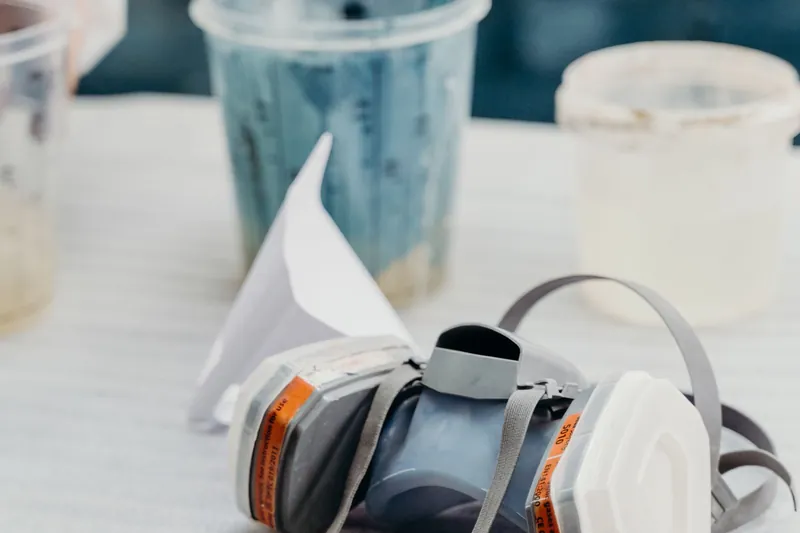
It is also called bio hazard cleaning, biohazard remediation, trauma cleanup or bio cleanup. Professional biohazard cleanup is more involved than deep cleaning. Technicians use personal protective equipment, locate every contaminated place, remove porous material that disinfection cannot save and treat affected areas until each reaches a livable condition.
After traumatic events in West Village, crime scene cleaning and other specialized cleaning can begin as soon as the property is released. Biohazard removal services across the surrounding areas include scene cleaning, hazardous waste disposal and fentanyl cleanup, with emergency response at any hour. Crime scene cleaners aim to restore safety while giving families respectful, compassionate service.
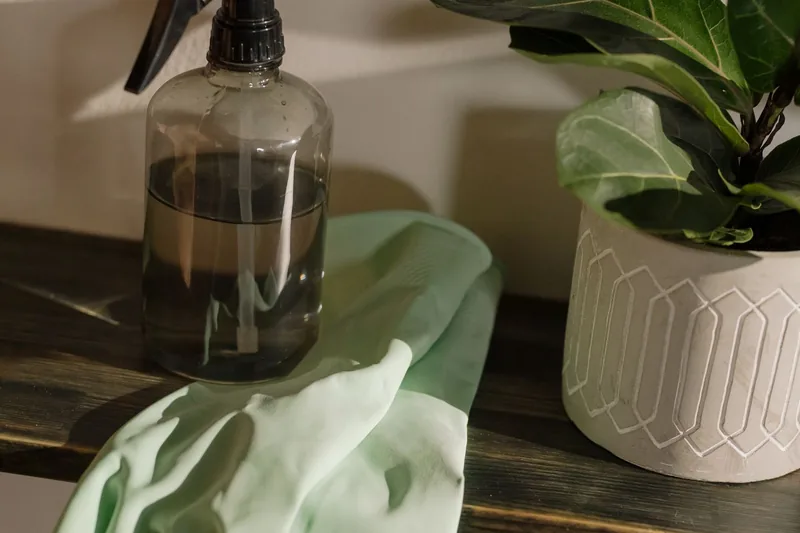
Biohazards are genuine health hazards that can cause serious illness, while visible contamination is seldom the full extent of the problem.
Fluids, gases and bacteria from decomposition can penetrate flooring and move into other rooms through ventilation.
Raw sewage carries E. coli, salmonella and hepatitis A, and wet materials can grow mold within 24 to 48 hours.
Bleach and sprays treat surfaces but do not remove fluids absorbed by carpet pad, subfloor or drywall. Odor and bacteria recur when material is left behind, which makes its removal part of decontamination services.
Blood can support hepatitis C, HIV and hepatitis B. According to the CDC, hepatitis B remains viable on surfaces for at least seven days.
Death, crime, hoarding, blood and sewage cleanup in houses, condos, apartments and high-rise units.
Learn more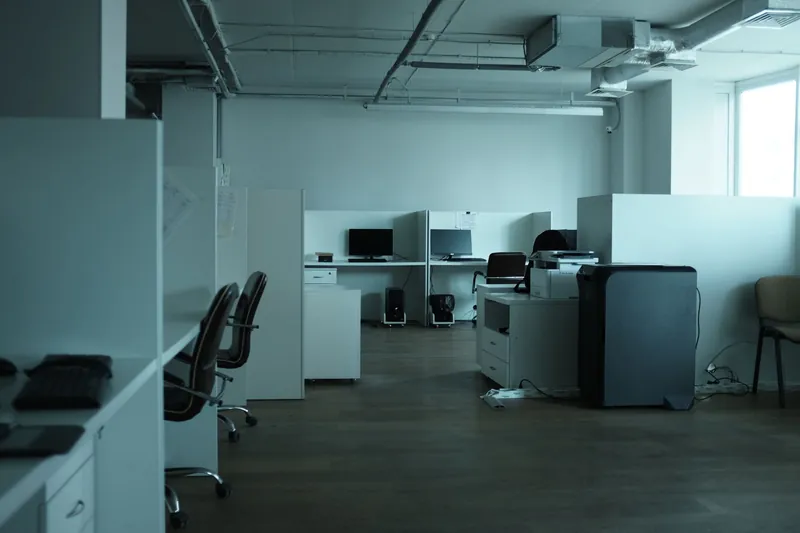
Commercial biohazard cleanup for commercial properties, after injuries, industrial accidents, break-ins or exposures, scheduled around your hours.
Learn more
Vehicle biohazard cleanup treats seats, carpet and vents affected by bodily fluids, blood or odors.
Learn more
Owners and insurers receive cleanup records as the unit is prepared to return to rental use.
Learn moreChoose the cleanup page suited to your situation. You may call when you need help identifying the appropriate service.
This is a one-time experience for most people. These first steps protect your health, your insurance claim and the final cleanup cost.
Call (888) 440-9227From the initial call through the last inspection, the biohazard cleanup process follows a consistent order designed for safety.
Describe what occurred. After technicians photograph and inspect the scene, they agree on the scope with you.
The affected area is sealed off with plastic sheeting so contamination does not spread to other rooms.
After infectious materials soak into carpet, pad, drywall or similar porous items, the affected pieces are removed and sealed for medical waste, so no affected material is left behind.
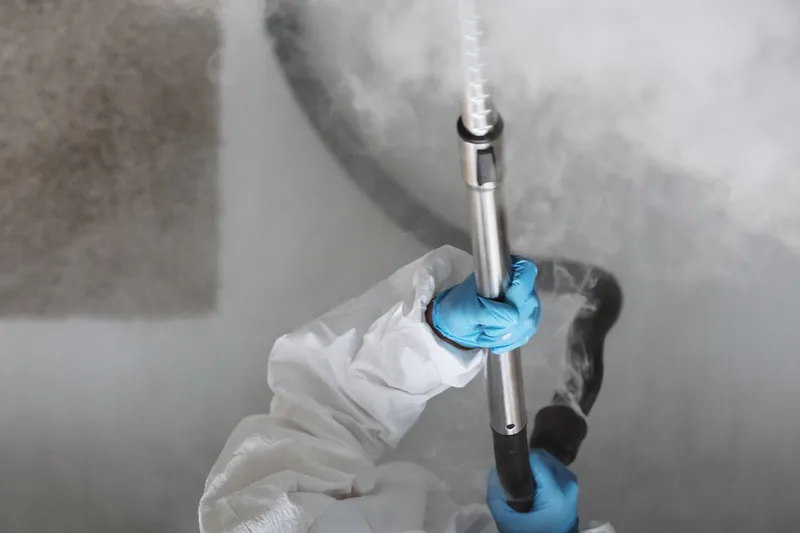
Each surface receives cleaning and an EPA-registered disinfectant made for hospital use.
The odor source is treated using ozone, hydroxyl or air scrubbers, and the vents are also examined.
Tracking paperwork follows sealed waste to a permitted facility where medical waste is treated.
Where needed, ATP testing helps check that the space has returned to a livable condition. You also get photographs and documentation for your claim.
Your own contractor or a vendor working with your insurer can replace any removed drywall or flooring.
Published pricing guides place most residential biohazard cleanup work from $1,800 to $8,000. Minor blood jobs can cost less than $1,000, while large work involving sewage, hoarding or decomposition may go beyond $20,000. The real price is set after the on-site assessment.
Yes, often. Biohazard cleanup following a sudden incident, including a death, sewage backup or crime, is commonly covered by renters and homeowners policies, less your deductible.
Insurance generally covers events that are both sudden and accidental. Hoarding and long-term neglect usually are not. Check with the insurer prior to starting work.
Payment for death cleanup can often come out of the estate. This is generally managed by the executor or a family member.
The New York State Office of Victim Services lists crime scene cleanup expenses among the compensation it can pay to crime victims. Insurance is usually checked first.
For common spaces and rental properties, cleanup is typically arranged and paid for by the property owner or manager.
Call at any time. A cleanup specialist can walk you through the process for your property.
Any biological substance capable of causing illness is a biohazard, including tissue, bodily fluids, blood, used needles, untreated sewage, human waste and animal waste.
Body removal is performed by the medical examiner or funeral home. Once the body is removed, the family or owner must clean the property; a biohazard cleanup company is the choice for most.
Some remain viable for quite a while. According to the CDC, surfaces can support hepatitis B for at least seven days, so you should treat dried blood as infectious.
On-site work lasts one to three days for most cleanups. Hoarding cleanouts, decomposition and heavy scenes can run from several days to two weeks.
Published pricing guides show most residential jobs ranging between $1,800 and $8,000. Minor blood cleanup may cost below $1,000, but major decomposition or hoarding work can exceed $20,000.
Your call is answered 24 hours a day, including weekends and holidays.